
Portugal’s Douro River Valley is one of world’s first demarcated wine regions since 1756. It is home to two of Portugal’s most notable Protected Designations of Origin (PDO) – Douro and Porto. This area of steep, terraced vineyards overlooking the Douro River was designated a UNESCO World Heritage Site in 2001. It has also been named one of the world’s top wine destinations to visit, and we had the chance to do so in December 2025.
The Douro Valley is the center of production for Port, Portugal’s renowned fortified wine and for its highly regarded Douro DOC still wines. Located roughly forty miles east of the city of Oporto, this is a remote rugged region with a few historic towns. Winding roads climb high as you drive through the region. Below is the Douro River and across are views of the vineyards clinging to the tall slopes. You wonder how those grapes are cultivated given the height and narrowness of the vineyards. Many people visit the Douro Valley by boat tour, but they must miss those hilltop panoramic views from their base at the water’s edge.
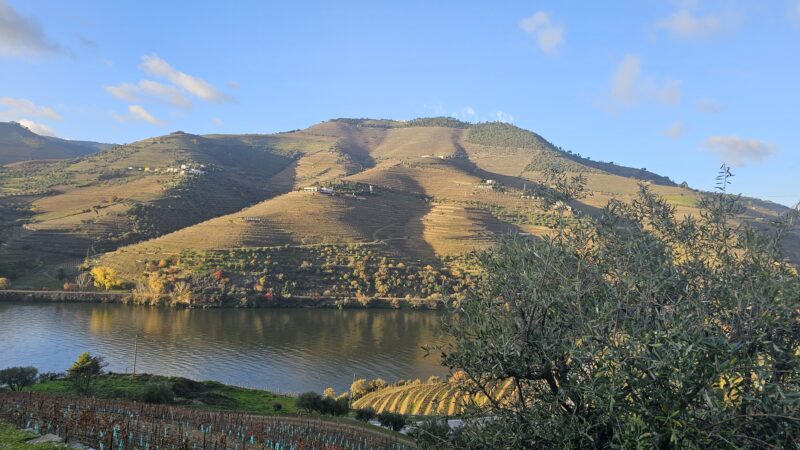
The heart of Port DOC production is in Cima Corgo, the middle region of the Douro Valley’s three subzones. The others, Baixo Corgo and Douro Superior are better known for still wines. The soils in Cima Corgo are rocky with schist and granite which you see in the mountain slopes as you drive through the region. Cima Corgo has hot, dry summers, cold winters and less rain, creating ideal conditions for the vineyards. There are dozens of grapes cultivated in the Douro Valley that are approved for Port production. Most being red varieties with some of the better known include Touriga Nacional. Touriga Franca, Tinta Roriz (Tempranillo).
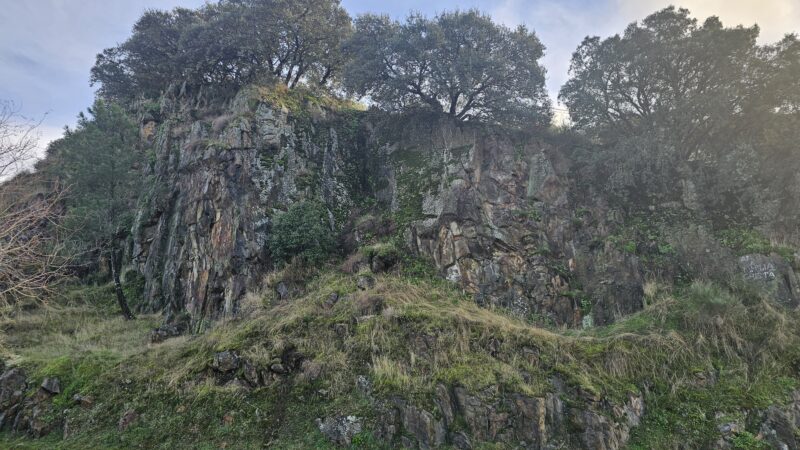
Cliffs of schist in the Douro River Valley
Port production is carefully regulated by the Instituto do Vinhos do Douro et Porto (IVDP) based in Porto. Established in 1933 and overseen by the Minister of Agriculture, the role of the IVDP is to ensure the quality and quantity of Port and Douro wines, to regulate production and to protect and the Douro and Port designations of origin. Every wine estate must submit their wines for testing and tasting to ensure they meet the IVDP criteria for compliance to guidelines and standards. We toured the IVDP headquarters where you can learn about the history and production of Port. We also visited the testing laboratory and spent time with Rui Goncalves, the IVDP’s director of technical services and certification.
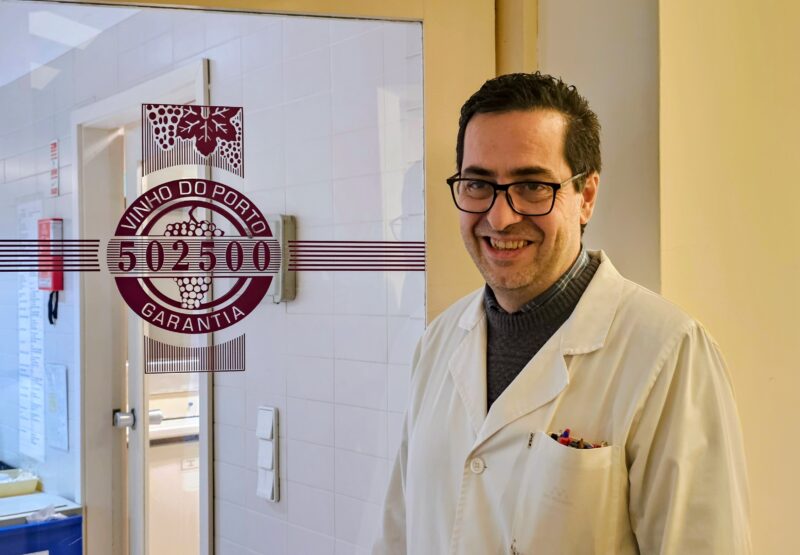
Rui Goncalves, the IVDP’s director of technical services and certification.
The gateway to the Douro Valley is the city of Porto which is worth a few days of exploring. Our visit was organized by the IVDP and strictly focused on Port production, so we spent more time across the river from Oporto in Villa Nova de Gaia where many major Port lodges are located along with some of their spectacular hotels like The Yeatman and Kopke Hotel. You can schedule tastings at the lodges by appointment. Most are within walking distance from each other; some have on-site bars and restaurants. The World of Wine Museum is another major attraction.
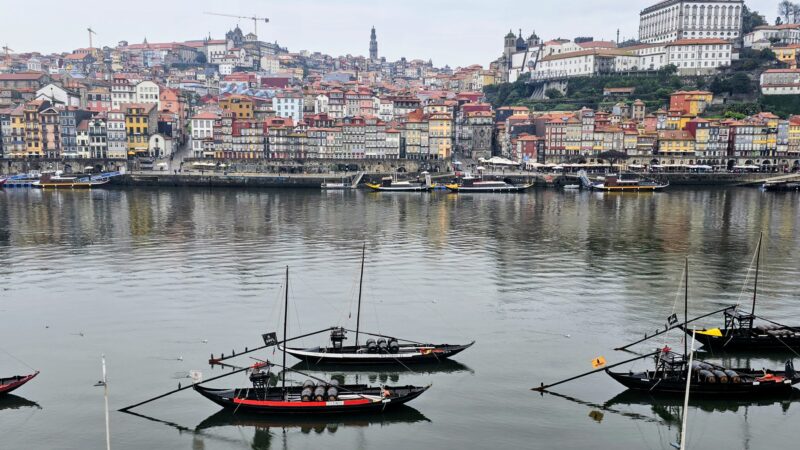
View of Oporto from across the Douro River in Villa Nova de Gaia
Given our controlled schedule we had limited time to explore the city of Porto, but we had the opportunity to visit with six producers. All are open for tasting by appointment. Here is the list.
At Villa Nova de Gaia:
Dalva
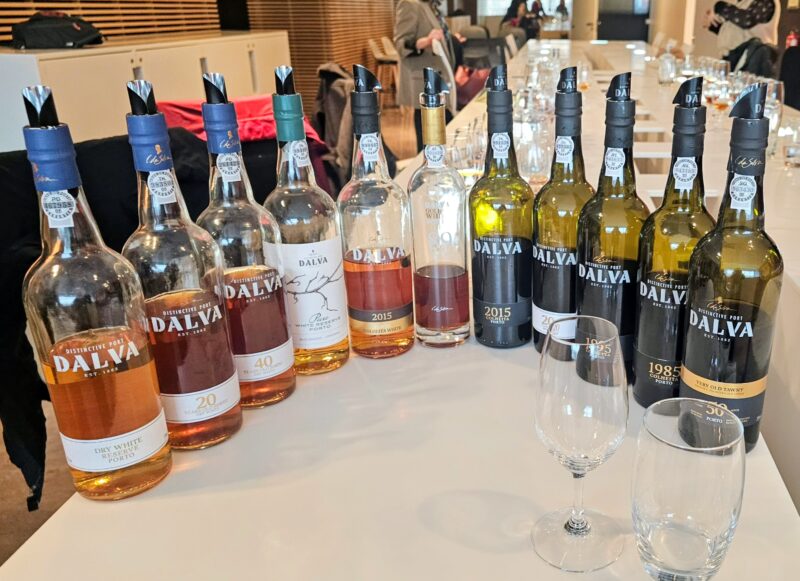
Dalva Port was established in 1862 by Clemente da Silva and has a large facility in Villa Nova de Gaia that offered various tasting and dining experiences. Dalva is best known for its aged tawny and white Colheita Ports. The range we tasted was impressive. We ended our visit with Port cocktails on their rooftop bar overlooking the Douro River. Dalva | Port Exclusive
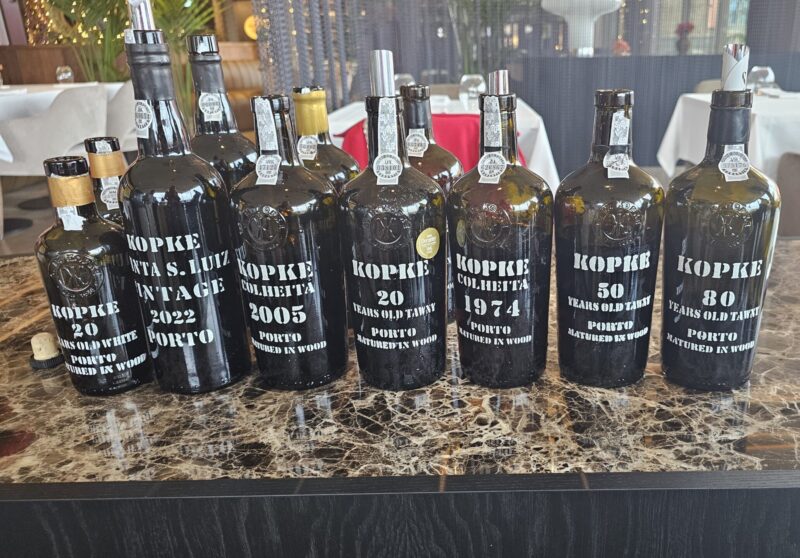
Kopké was established in 1638 by Nicolau Kopkë, a German diplomat and is considered the oldest Port house in Portugal. In 2006 Kopke was acquired by Sogevinus. Longtime winemaker, Carla Tiago, oversees production which focuses on fine aged tawny and white Ports. We also toured and dined at the exquisite Kopke Hotel which is filled with priceless works of art located in Villa Nova de Gala. Kopke
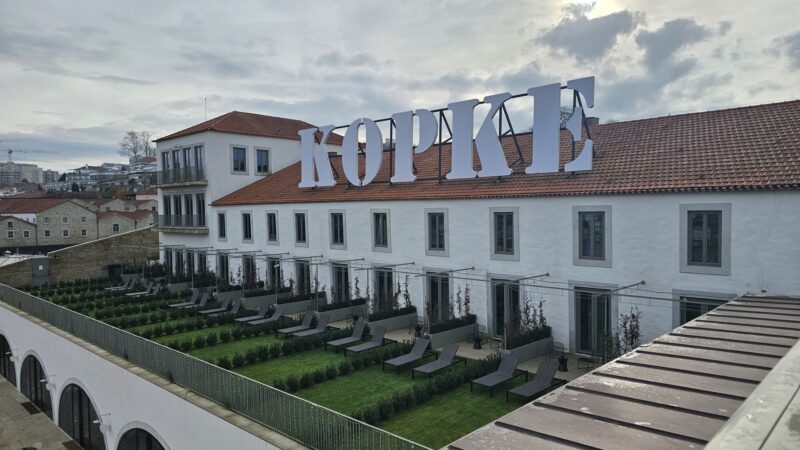
Kopke Hotel
Established in 1820 by brothers William & John Graham, this prestige Port house is now a flagship Port brand within Symington Family Estates, a leading family-owned producer of both Port and still wines from the Douro valley and other regions of Portugal. Symington originally married into the Graham family. He later acquired a majority stake in the brand through inheritance and, finally, outright through a purchase in 1970. Consistently ranked as one of the top Vintage ports when vintages are declared, Graham’s also makes many high-quality offerings throughout the port spectrum. www.grahams-port.com
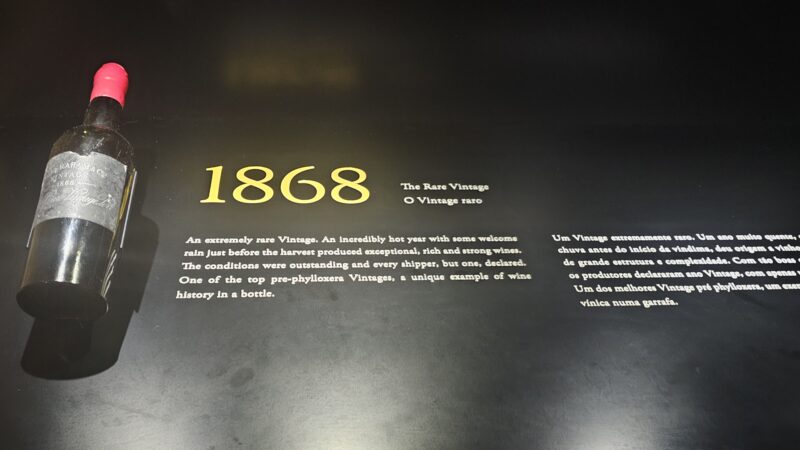
At Graham’s an exhibit of its vintage Ports over the years. Every vintage has a story.
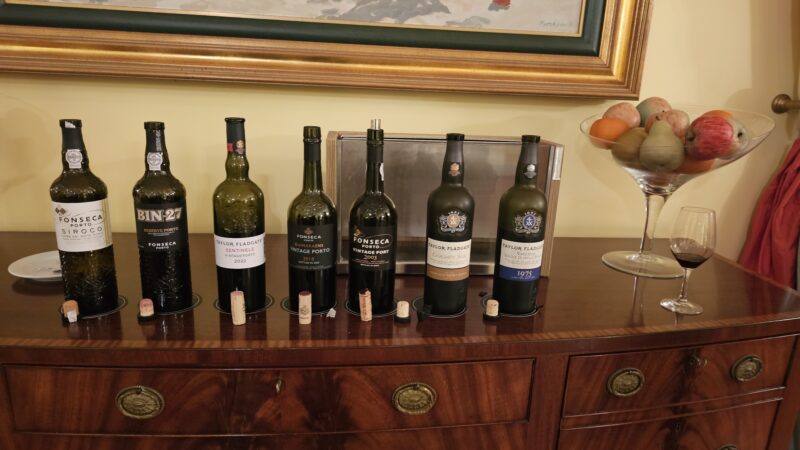
This venerable Port house was established in 1692 an English merchant, Job Bearsley. In 1744, his son, Bartholomew Bearsley, became the first British wine shipper to acquire property in the Douro. In the 1800s, a partnership between Joseph Taylor, John Fladgate and Morgan Yeatman established what is now the house of Taylor Fladgate. Taylor Fladgate also owns the top-ranked Yeatman Hotel and is behind the World of Wine Experience, a museum, exhibition and hospitality center located adjacent to the production cellars in Villa Nova de Gala. Taylor Fladgate Port – Since 1692 making the finest Port wine
In the Douro Valley:
Quinto do Seixo (Sandeman-Sogrape)
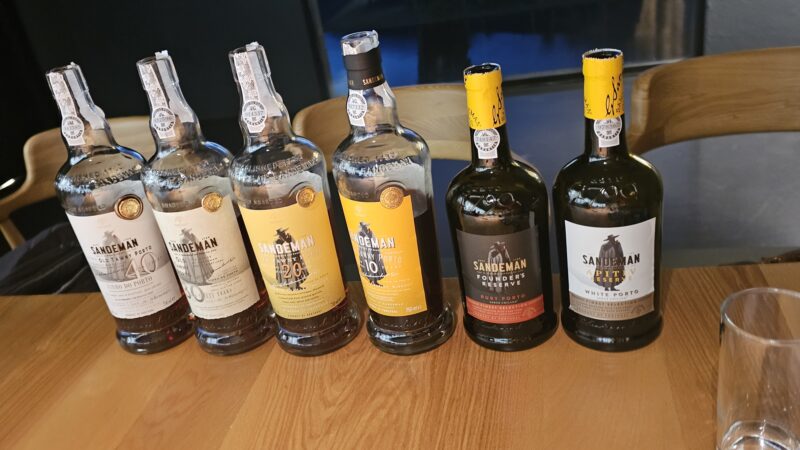
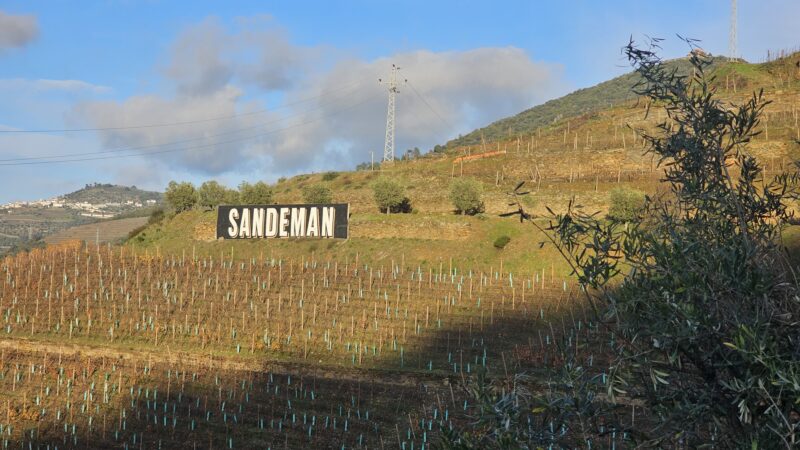
One of the most historic quintas for the production of Port wine and located in the Cima Corga area of Douro Valley, the House of Sandeman was founded in 1790 by wine merchant, George Sandeman. It remained family-run until its acquisition by Seagram in 1979. In 2002, Sandeman was acquired by Sogrape. Quinto do Seixo is open to visitors and offered a museum and stunning views of the terraced vineyards and, of course, a tasting experience. Come to Visit Quinta do Seixo – Port Wine | Sandeman
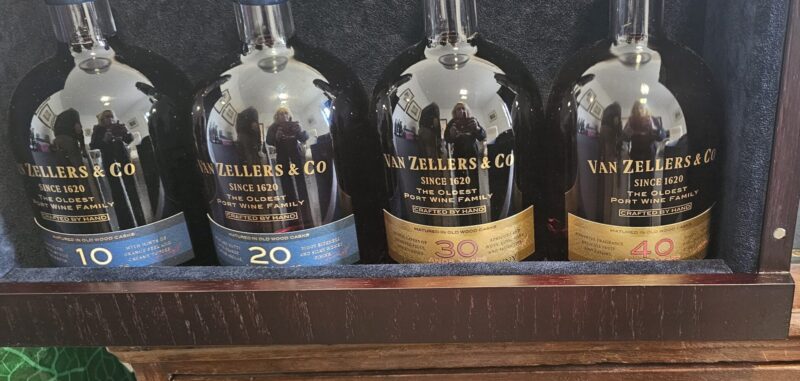
The Van Zellers family emigrated to Portugal from The Netherlands in the 1600s for political and religious reasons and settled in Porto. They became prominent Port wine merchants, establishing Van Zellers & Co in 1780. One of their brands, Quinta do Noval has been in the family for five generations. We met with Cristiano Van Zeller who represents the 15th generation overseeing the business with his daughter, Francisca. Wines crafted by hand, nature and time | Van Zellers & Co