
Spain is the third largest wine producer in the world after Italy and France. However, Spain has the most land under vine, close to 3 million acres (1.2 million hectares) with more than 100 wine appellations and over 200 different grape varieties.
The first Spanish red variety that usually comes to mind is Tempranillo which accounts for roughly twenty percent of the vineyard surface planted in Spain. Tempranillo delivers wines with lingering notes of dark red and black fruits, anise and cacao and firm tannins that offer long aging potential. Styles will vary based on length of aging and type of cask used. Many of Spain’s most renowned names in wine including López de Heredia, Marqués de Riscal, Muga and CVNE in Rioja and Vega Sicilia and Dominio de Pingus in Ribera Del Duero. And that is just the tip of Tempranillo iceberg!
Fun fact: Tempranillo is early ripening, which is how this variety received its named. “Temprano” translates to “early.” However, in some regions of Spain, Tempranillo goes by other names: Cencibel in Castilla La Mancha, Tinto de Paiz in Ribera Del Duero, Tino de Toro in Toro, Tinta de Madrid in D.O. Madrid and Ull de Llebre in Catalonia.
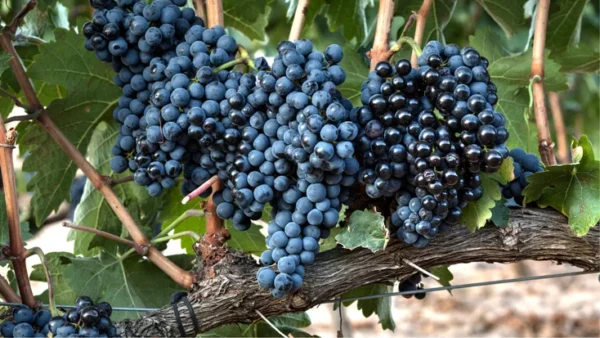
Tempranillo
But how well do you know Spain’s other major red grapes? Here are five Spanish red varieties to know and try:
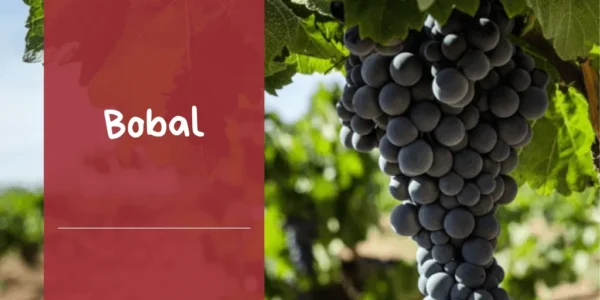
Bobal: This bulbous dark blue-purple grape was once nearly extinct. However, Bobal has made a vigorous comeback in the Valencia region, most importantly in the D.O.s Manchuela and Utiel-Requena—the latter has embraced Bobal as its signature grape. Bobal is now Spain’s second most planted red grape variety after Tempranillo. One hundred percent Bobal wines deliver deep dark juicy fruits; think plum, blueberry, blackberry and red currants with a touch of spice. As they age, the flavor profile deepens to add cacao and chocolate notes. If you like Zinfandel, a voluptuous spicy Bobal is for you! Pair with barbecue, North African tagines, spicy meatballs or a traditional paella Valenciana with rabbit, chicken and snails.
Fun fact: The name is derived from bovale, the Latin word, referring to the shape of the grape clusters which are thought to resemble a bull’s head.
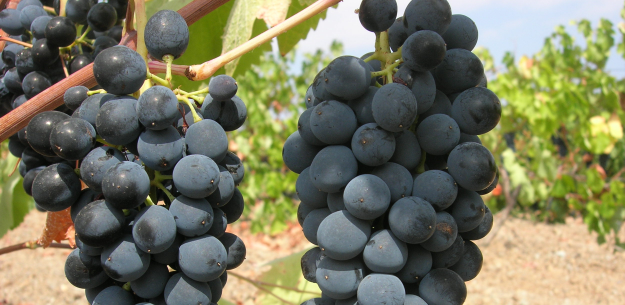
Garnacha
Garnacha. One of the most widely planted grapes in the world, Garnacha is said to have originated in Spain and was brought to other parts of Europe such as France (where it’s called Grenache) and Italy during the Crown of Aragon in the 12th to 17thcenturies. That’s why it’s sometimes referred to as “Tinto Aragonez.” Like Cariñena, Garnacha thrives in hot, dry Mediterranean climates, which include many protected designation of origins (D.O.’s) in eastern Spain such as Calatayud, Somontano, Campo de Borja, Cariñena, and Terra Alta. The grape is the backbone of many Priorat wines, often blended with Cariñena and it is also used to make the red wines in Rioja Oriental (formerly known as Rioja Baja). Calatayud Superior is a category of wine which requires that a minimum of 85 percent be made with Garnacha from vines that are a minimum of fifty years old.
Historically Garnacha has been used as a blending grape, but one can now find many red wines made from 100 percent Garnacha. These wines pack powerful, spicy red berry notes and ripe soft tannins capable of long-aging and, with older vines, concentrated fruits. If you like red Rhône wines, Garnacha is your grape! Enjoy with slow-roasted lamb, truffled pasta, and mushroom dishe
Fun fact: Garnacha is widely cultivated on the Island of Sardinia, Italy, under the name Cannonau. Where it is prized for its high levels of resveratrol, known for both heart-health and complexion boosting benefits. Maybe this is why Sardinia is home to one of the world’s famous Blue Zones.
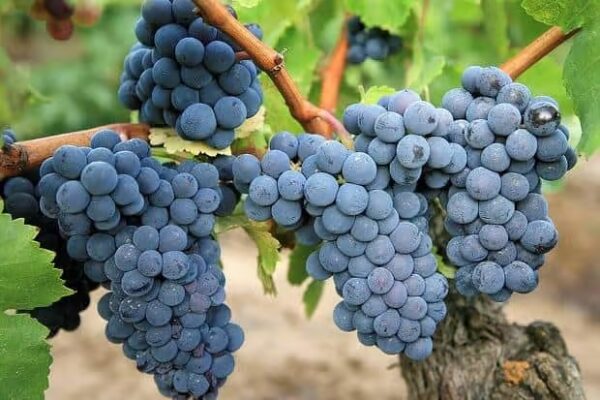
Cariñena/Mazuelo
Cariñena/Mazuelo. First off, there’s a region in northeastern Spain called D.O. Cariñena whose star grape is Garnacha. Then there’s the grape called Cariñena which is also well-planted there with many old plantings dating back to the 19th century. Because of this, a number of producers in the region also make wonderful bottlings of varietal Cariñena. The grape also grows in D.O. Priorat and in DOCa Rioja where it’s called Mazuelo. Most often used in blending and known for being a little leathery and tannic, Cariñena is blossoming into its own spotlight, delivering single varietal wines with smoky, spicy anise and peppery black fruits. If you like a medium-bodied Rhône red, give Cariñena a swirl. Pair with roast turkey, eggplant lasagna, moussaka, grilled sausages and aged Gouda.
Fun fact: Known as Carignan in France’s Languedoc-Roussillon, this grape is considered a workhouse variety; in Sardinia it’s called Carignano (or Bovale Grande).
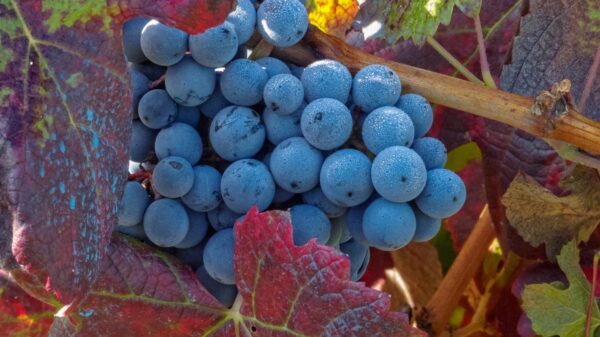
Mencía
Mencía. This red grape is most notably cultivated in D.O Bierzo, a cooler climate area in northwestern Castilla y León, and nearby D.O. Ribeira Sacra to the west in Galicia. Thanks to maverick producers like Álvaro Palacios who oversees Descendientes de J Palacios in Bierzo, Mencía is receiving more attention. Historically, the red wines of Bierzo were produced for early consumption, with bright fruit, and a linear and lean quality. but better winemaking and a push to a more modern style have delivered wines that are more earthy and concentrated with notes of red berries and anise. If you like Cabernet Franc, try Mencía. Pair with roasted duck, grilled pork, mushroom dishes and sharp Manchego or Cheddar cheeses.
Fun fact: Scientists once thought Mencia was a relative to Cabernet Franc, but DNA tests proved otherwise and point instead to a red Portuguese grape called Jaen.
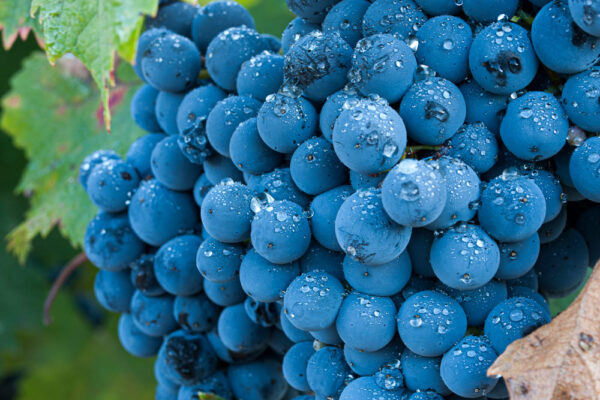
Monastrell Photo from www.monastrell.org
Monastrell: Native to Spain, the full-bodied tannic red grape Monastrell, or Mataró, is known as Mourvèdre elsewhere in the Rhône Valley, South Africa and California. Mourvèdre is frequently used in Rhône blends along with Grenache and Syrah. One can find it in D.O.’s Alicante, Almansa, Jumilla and Yecla in Spain’s southeastern Mediterranean coast. If you like Cabernet Sauvignon, sip on some Monastrell. Pair with braised meats, slow-cooked stews, cassoulet or aged hard cheeses.
Fun fact: The name Monastrell may have been derived from monastario, harkening back to when monks first cultivated this grape in Catalunya.
Elsewhere there are lesser known but equally notable red grapes throughout Spain, coast to coast, and island to island. We discovered a few at tastings in New York, such as a 100 percent Tintilla from Cádiz and a red wine from Mallorca made from three grapes native to the Balearic Islands. Both underscore that terrific wine can be made anywhere; keeping an open mind and curious palate pave the path to delicious local discoveries and hidden gems.
Now, we just need to book a few return trips back to Spain to do some more tasting and exploring!
Wines to try
Bodega Sierra Norte Temperamento (D.O. Utiel-Requena) 100% Bobal
Quincha Corral from Bodega Mustiguillo, Vino Del Pago El Terrarazo (D.O. Utiel Requena). 100% old-vine Bobal from two vineyard sites planted in 1919 and 1945
Rene Barbier Clos Mogador Manyetes Vi de Vila Gratallops (D.O. Priorat) 100% Cariñena
Palacios Remondo Propriedad (DOCa Rioja) averages 90% Garnacha (old vines) with the balance made up of locally grown indigenous varieties.
Enrique Mendoza La Tremenda (D.O. Alicante) 100% Monastrell
Guímaro Finca Meixeman, (D.O. Ribeira Sacra) 100 % Mencia
Picantal Palacio de Canedo by Bodegas Prada A Tope, (D.O. Bierzo). 100% Mencia.
Art by Bodegas Luna Beberide (D.O. Bierzo) 100% Mencia
Ànima Negra An (Vina de la Terra de Mallorca) A blend of Caillet, Manta Negro and Fogoneau
Alberta Orte Atlántida (VT de Cádiz), 100% Tintilla